
Key Facts
Folliculitis: At a Glance
What is Folliculitis?
- Inflammation of hair follicles, most commonly from Staphylococcus aureus, Pityrosporum yeast, or mechanical irritation.
Who gets Folliculitis?
- All ages. More common in humid climates, after shaving, in hot tubs, and with occlusive clothing.
What are the symptoms of Folliculitis?
- Small red bumps or pustules centered on hairs, itching or tenderness, and clusters on the chest, back, thighs, or scalp.
How do you treat Folliculitis?
- Topical or oral antibiotics, antifungals for Pityrosporum folliculitis, chlorhexidine washes, and treatment of underlying causes such as shaving technique.
How long does Folliculitis take to improve?
- Most cases resolve in 7–14 days with targeted therapy.
When should I see a dermatologist for Folliculitis?
- If bumps are painful, recurrent, not responding to washes, or spreading.
Folliculitis.
Folliculitis is an inflammation of the hair follicles that can mimic acne but requires different diagnostic and therapeutic approaches. Our board-certified team identifies the root cause—bacterial, fungal, or irritant—and builds a targeted clearance protocol.

Diagnosis Matters.
In South Tampa's hot, humid climate, folliculitis is extremely common. The key to effective treatment is accurate diagnosis: bacterial folliculitis, pityrosporum (fungal) folliculitis, and irritant folliculitis each require fundamentally different treatments. Treating the wrong type leads to frustrating persistence and recurrence.
Bacterial Folliculitis
Staphylococcal infection of the follicle. Presents as red, pus-filled bumps. Treated with targeted antibacterial agents.
Pityrosporum Folliculitis
Fungal folliculitis often mistaken for acne. Common on the chest and back. Requires antifungal therapy, not antibiotics.
Irritant Folliculitis
Caused by friction, shaving, or occlusive products. Managed with technique modification and barrier protection.
Meet Your Specialists.

Dr. Grob
Founder & Dermatologist specializing in the diagnosis and management of complex inflammatory skin conditions.
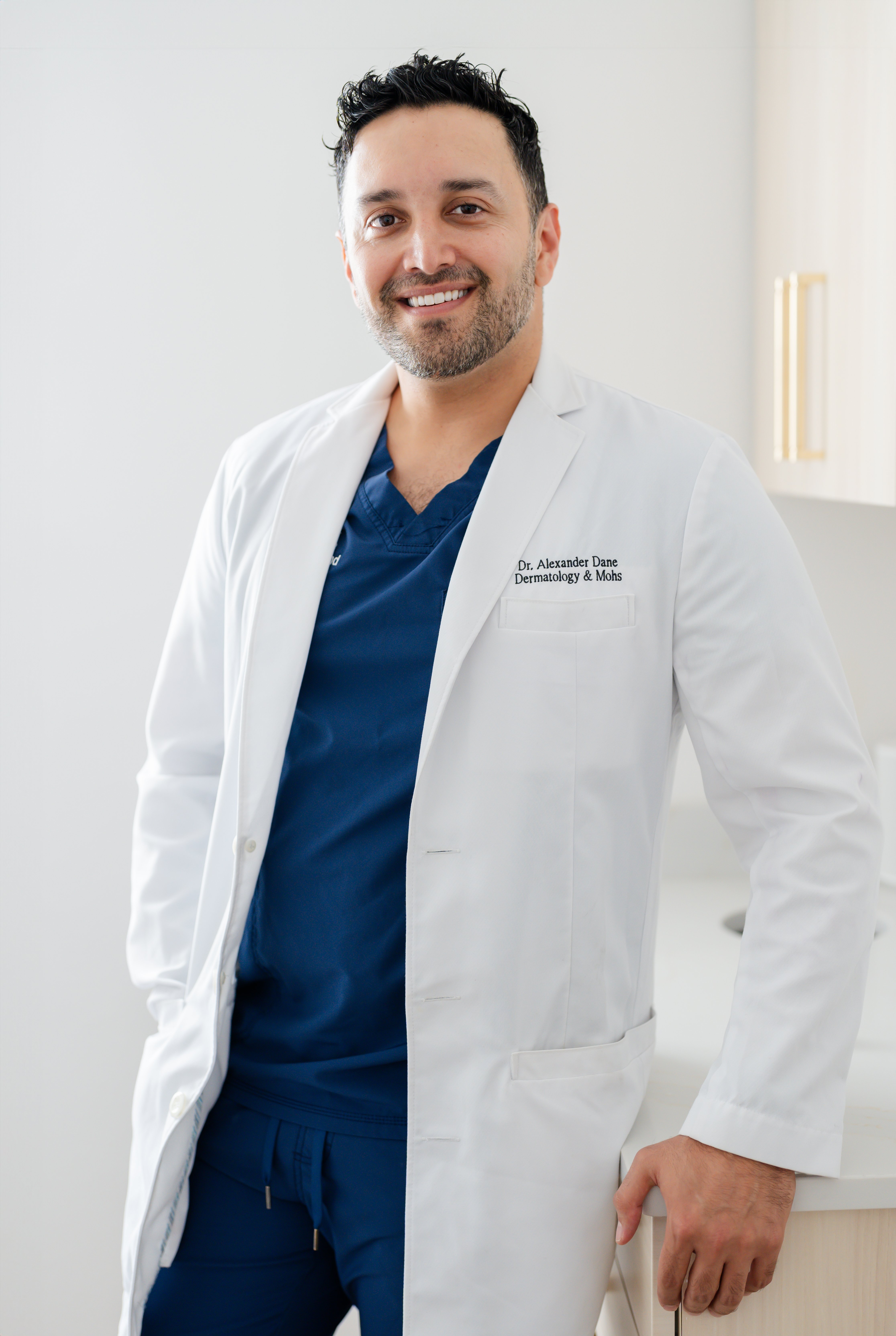
Dr. Dane
Double Board-Certified Dermatologist and Facial Cosmetic Surgeon providing expert diagnostics and advanced treatment for complex skin conditions.




Frequently Asked.
Is folliculitis the same as acne?
No. While they can look similar, folliculitis and acne have different causes and treatments. A dermatologist can distinguish them clinically.
Why does my folliculitis keep coming back?
Recurrence often means the wrong type is being treated, or environmental factors (humidity, friction, occlusive products) are perpetuating the condition.
Can folliculitis be serious?
Most folliculitis is superficial and easily treated. Deep folliculitis can lead to boils or abscesses that may require drainage.
How is folliculitis diagnosed?
Through clinical examination and, when needed, culture swabs to identify the causative organism and guide targeted treatment.
MODERN DERMATOLOGY: SOUTH TAMPA'S FOLLICULITIS SPECIALISTS
Board-certified dermatology in the heart of South Tampa. Accepting new patients.
Schedule NowReferences
Further Reading
This page is for informational purposes and is not a substitute for a medical evaluation by a board-certified dermatologist. If you have concerns about your skin, please schedule a consultation.