
Key Facts
Hyperhidrosis: At a Glance
What is Hyperhidrosis?
- Sympathetic overactivity of eccrine sweat glands producing excessive, socially and functionally disruptive sweating.
Who gets Hyperhidrosis?
- About 3–5% of adults. Primary focal hyperhidrosis typically begins in adolescence or young adulthood.
What are the symptoms of Hyperhidrosis?
- Visible sweat-through clothing, dripping sweat on hands or feet, skin maceration, and associated social or occupational impairment.
How do you treat Hyperhidrosis?
- Prescription-strength aluminum chloride antiperspirants, glycopyrronium wipes, iontophoresis, and in-office botulinum toxin (Botox) injections for durable relief lasting 4–6 months.
How long does Hyperhidrosis take to improve?
- Botox injections are a 15-minute in-office treatment with no downtime; sweat reduction begins within 3–5 days.
When should I see a dermatologist for Hyperhidrosis?
- If sweating interferes with work, wardrobe, or social interaction despite clinical-strength antiperspirants.
Hyperhidrosis.
Excessive sweating is a medical condition, not a hygiene issue. At Modern Dermatology, we provide targeted therapeutic protocols that dramatically reduce sweating in the underarms, hands, and feet.

Beyond Antiperspirant.
Primary hyperhidrosis affects up to 5% of the population. The overactive eccrine glands produce sweat far beyond what is needed for thermoregulation—often triggered by stress, social situations, or no trigger at all. Standard antiperspirants are insufficient, and the condition can significantly impact quality of life.
Axillary (Underarm)
The most common treatment area. Botox injections provide 4-6 months of dramatically reduced sweating.
Palmar (Hands)
Excessive hand sweating that interferes with daily activity. Treated with targeted Botox or oral medication.
Plantar (Feet)
Excessive foot sweating causing discomfort and skin maceration. Managed with topical and systemic therapies.
Meet Your Specialists.

Dr. Grob
Founder & Dermatologist specializing in the diagnosis and management of complex inflammatory skin conditions.
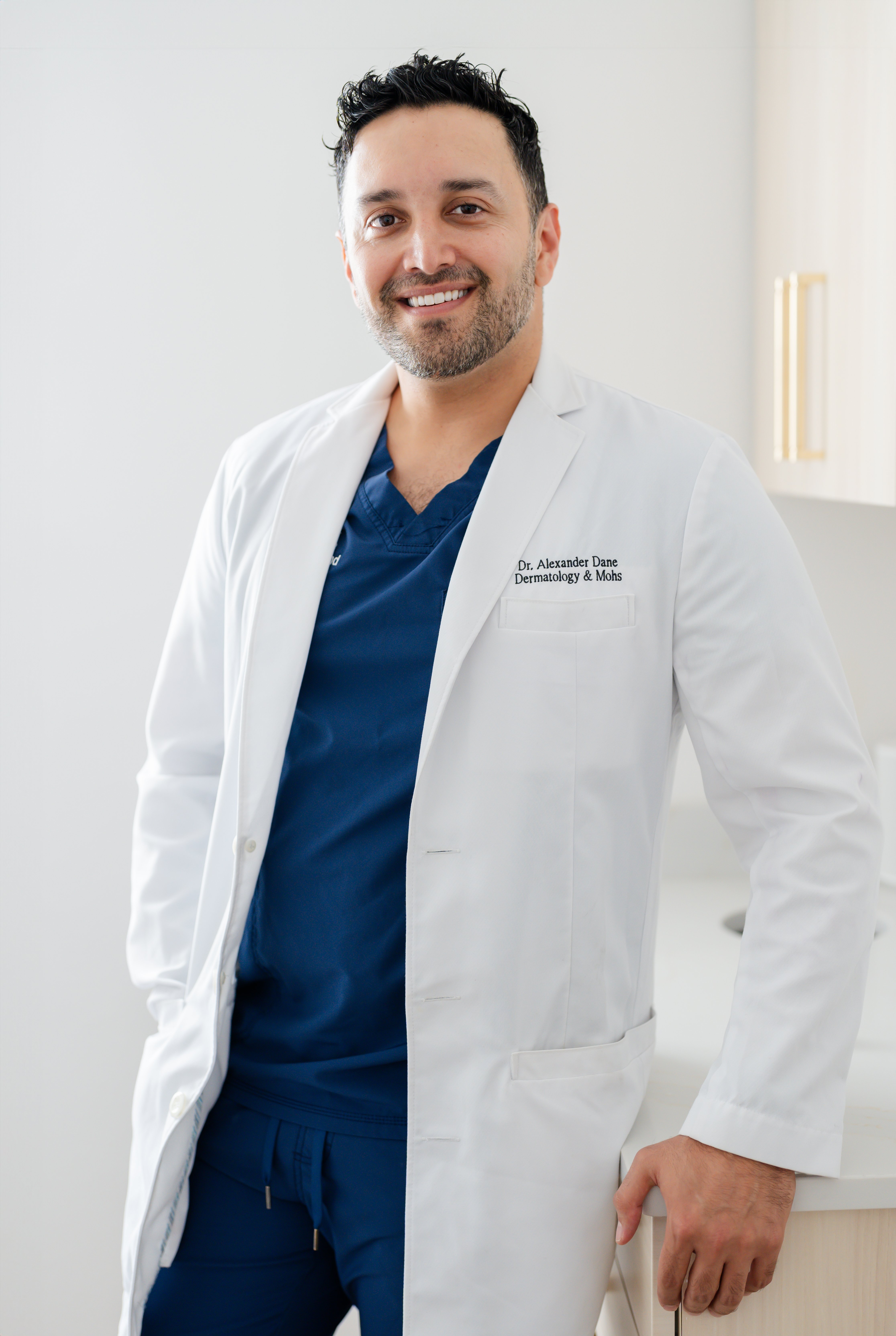
Dr. Dane
Double Board-Certified Dermatologist and Facial Cosmetic Surgeon providing expert diagnostics and advanced treatment for complex skin conditions.




Frequently Asked.
How does Botox treat sweating?
Botox blocks the acetylcholine nerve signals that activate sweat glands. Without the signal, the glands simply stop producing excess sweat.
How long does the treatment last?
Results typically last 4 to 6 months. Many patients schedule treatments twice a year.
Is hyperhidrosis Botox covered by insurance?
Many insurance plans cover Botox for hyperhidrosis when conservative treatments have failed. We provide documentation to support your claim.
Does Botox for sweating hurt?
We use ultra-fine needles and ice or topical anesthesia to minimize discomfort. Most patients tolerate the procedure very well.
MODERN DERMATOLOGY: SOUTH TAMPA'S HYPERHIDROSIS SPECIALISTS
Board-certified dermatology in the heart of South Tampa. Accepting new patients.
Schedule NowReferences
Further Reading
This page is for informational purposes and is not a substitute for a medical evaluation by a board-certified dermatologist. If you have concerns about your skin, please schedule a consultation.